Around one in three asylum seekers from Iran had their applications approved in Germany at the beginning of the year, official data showed on Thursday.
The figures from the Interior Ministry, which were seen by dpa following an inquiry by a lawmaker from The Left party, showed 35% of asylum applications by Iranian nationals to the Federal Office for Migration and Refugees (BAMF) in January and February were successful.
The data does not include cases closed for procedural reasons, such as responsibility for the asylum claim lying with another EU member state.
The period in question came before the outbreak of the US-Israeli war against Iran, as the Iranian regime cracked down on a nationwide wave of protests.
The escalating war has triggered concerns in Europe of a flow of migrants escaping the violence.
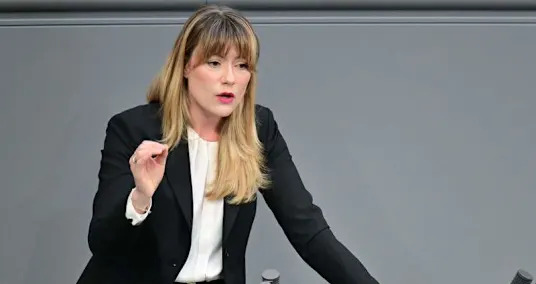
Clara Bünger, spokeswoman for The Left on refugee policy, said the figures are evidence that the BAMF is too strict in its decisions on applications from Iranians.
"Even 61% of female asylum seekers from Iran are rejected, despite the misogynistic regime and systematically discriminatory laws," warned Bünger. "Solidarity with the people of Iran looks different."
She called on Interior Minister Alexander Dobrindt to change the BAMF's decision-making practice.
The ministry's figures also showed that Iranian nationals were frequently successful in appealing asylum verdicts, with decisions overturned in more than one in three cases last year.
LATEST POSTS
- 1
 Figure out How to Analyze Medical attendant Compensation Patterns Across Different Specializations
 - 2Role reversal: Ukraine moves training home and exports the lessons abroad
- 3Solid Propensities: Little Changes for a Superior Life
- 4It's time for Artemis II to break Apollo 13's distance record. What to know about the moon flyby
- 5Nigeria warns its citizens in South Africa to be cautious after march turns violent




- Germany's Deutsche Welle broadcaster declared 'undesirable' in Russia
- Spots to Go Hang Floating
- Figure out How to Augment Your Rooftop Substitution Speculation
- 5 Movies That Leaving an Imprint with Inventive Innovation
- Insane Realities That Will Make You Reconsider How you might interpret History
- Which camera do you believe is great for first-time clients? !
- Slovakia rejects EU call to scrap higher fuel prices for foreign cars
- Putin, Netanyahu discuss Middle East in phone call, Kremlin says
- Artemis 2 moon astronauts will try to recreate Apollo 8's historic 'Earthrise' photo during April 6 flyby