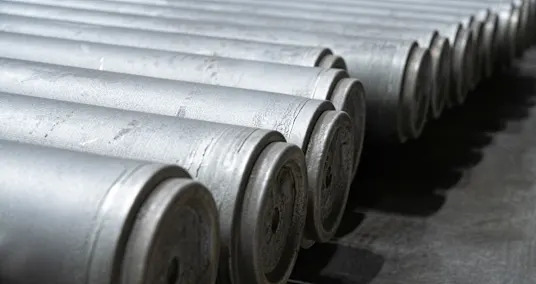
Fears of global aluminium shortages that could affect the production of clean energy technologies intensified after Iran struck two major Gulf aluminium producers, sending prices to a four-year high. The Middle East accounts for 9% of the world’s production of aluminum, which is essential to a wide range of industries from transportation, construction, and packaging, as well as the manufacture of solar panels, electrical transmission systems, wind turbines, and EVs.
Export shipments to the US and Europe had already come to a halt because of the effective closure of the Strait of Hormuz, and Morgan Stanley economists singled out aluminium as carrying a high level of risk across the value chain. Andy Farida, an aluminium analyst at Fastmarkets, told Semafor that high prices would be passed on to end-users, ultimately causing demand destruction. “A prolonged shutdown (with little to no alternative supplies other than Russia and China) could cripple the supply of aluminium to support the production of clean and green technology,” he said, adding that relief could come “if governments allow some sanctioned Russian and Chinese aluminium to be imported.”


 From Lounge chair to Money: Online Positions That Will Change Your Profession
- The Force of Organic product: 10 Assortments That Improve Your Wellbeing
- This St Nick Truly Can Advise How To Drink And Hack Your Headache
- JFK's granddaughter Tatiana Schlossberg reveals terminal cancer diagnosis
- One killed, several injured in Iran missile barrage on southern, central Israel
- Opening Monetary Information: Your Exhaustive Manual for Finding out about Individual budget
- Photos: Presidential turkey pardons — a look back
- The Most recent Microsoft Surface Genius PC: Ideal for Very good quality Planning and Gaming Needs
- A Gustav Klimt painting is now the most expensive piece of modern art sold at auction. The fascinating history behind the $236 million 'Portrait of Elisabeth Lederer.'