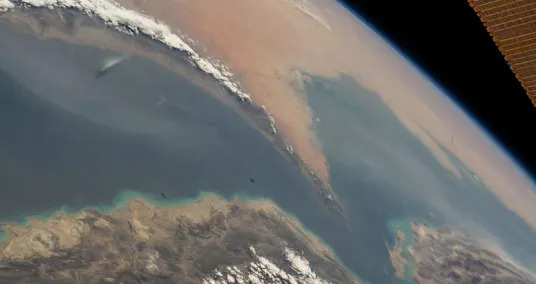

The interruption of oil and gas supplied through the Strait of Hormuz due to the US-Israel war with Iran has dramatically pushed up global energy prices.
Petrol has gone up already and UK domestic heating bills are almost certain to follow.
But it's not just fuel that's been impacted by the conflict. A host of other vitally important chemicals, gases and other products normally enter international supply chains via the Hormuz Strait.
BBC Verify has found that the price of a host of goods - ranging from food, to smartphones, to medicines - could be affected, as the number of ships passing through the Hormuz Strait has dropped from well over 100 a day before the war to just a handful.
Here is what could be impacted.
Fertilisers (Food)
Petrochemicals are derived from oil and gas and they are produced in great quantities for export by countries in the Gulf region.
And one of the most important is fertiliser, vital for global agricultural production.
According to the United Nations, around a third of the world's fertilisers - such as urea, potash, ammonia and phosphates - normally pass through the Hormuz Strait.

Data from the World Trade Organization shows that, since the conflict began, outbound shipments of fertiliser-related products through the waterway have collapsed.
Analysts have warned that a shortage of these ferilisers is likely to be particularly damaging to agricultural production now because March and April are the northern hemisphere's planting season and less fertiliser use now by farmers will impact yields for later in the year.
"A relatively brief closure could disrupt an entire growing season, with food security consequences that persist long after the strait reopens," according to researchers at the Kiel Institute.
-
Nearly 100 ships pass the Hormuz Strait - who is getting through?
-
How risky would it be to escort ships through the Strait of Hormuz?
-
In maps: Attacks across Iran and the Middle East enter third week
The Institute's work suggests a full closure of the Strait of Hormuz could push up global wheat prices by 4.2% and fruit and vegetable prices by 5.2%.
And it estimates that the most badly affected countries in terms of the overall increase in food prices would be Zambia (31%), Sri Lanka (15%), Taiwan (12%) and Pakistan (11%).
Russia normally supplies around a fifth of global fertiliser exports and analysts say it could potentially increase production to fill the gap.
Vladimir Putin's special envoy, Kirill Dmitriev, has said that Russia, a major producer of commodities like fertiliser, is "well positioned".
LATEST POSTS
- 1
 Want to make America healthy again? Stop fueling climate change
 - 2Bombardier Global 8000 Enters Service
- 3NASA study shows how satellite 'light pollution' hinders space telescopes
- 4Instructions to Figure out the Various Phases of Cellular breakdown in the lungs
- 5What's the new 'Knives Out' mystery about? Everything to know about 'Wake Up Dead Man,' including who's in the cast and what the reviews say.


- Becoming Familiar with an Unknown dialect: My Language Learning Excursion
- Report: Thailand strikes deal with Iran for safe passage of Hormuz
- Moving Wedding Objections for Paramount Functions
- Satellite space quiz: What's orbiting Earth?
- It Shouldn’t Be Here: Rescuers Race to Save Whale Stranded in Rare Spot
- $1,000 bribes, Mormon momfluencer mixers and making content to get plastic surgery: The wildest things I learned reporting my book
- Mickey Lee of 'Big Brother' fame dead at 35 after flu complications, family says
- Dependable Savvy Locks to Update Your Home Security
- 10 Picturesque Campgrounds That Will Raise Your Outside Involvement with American